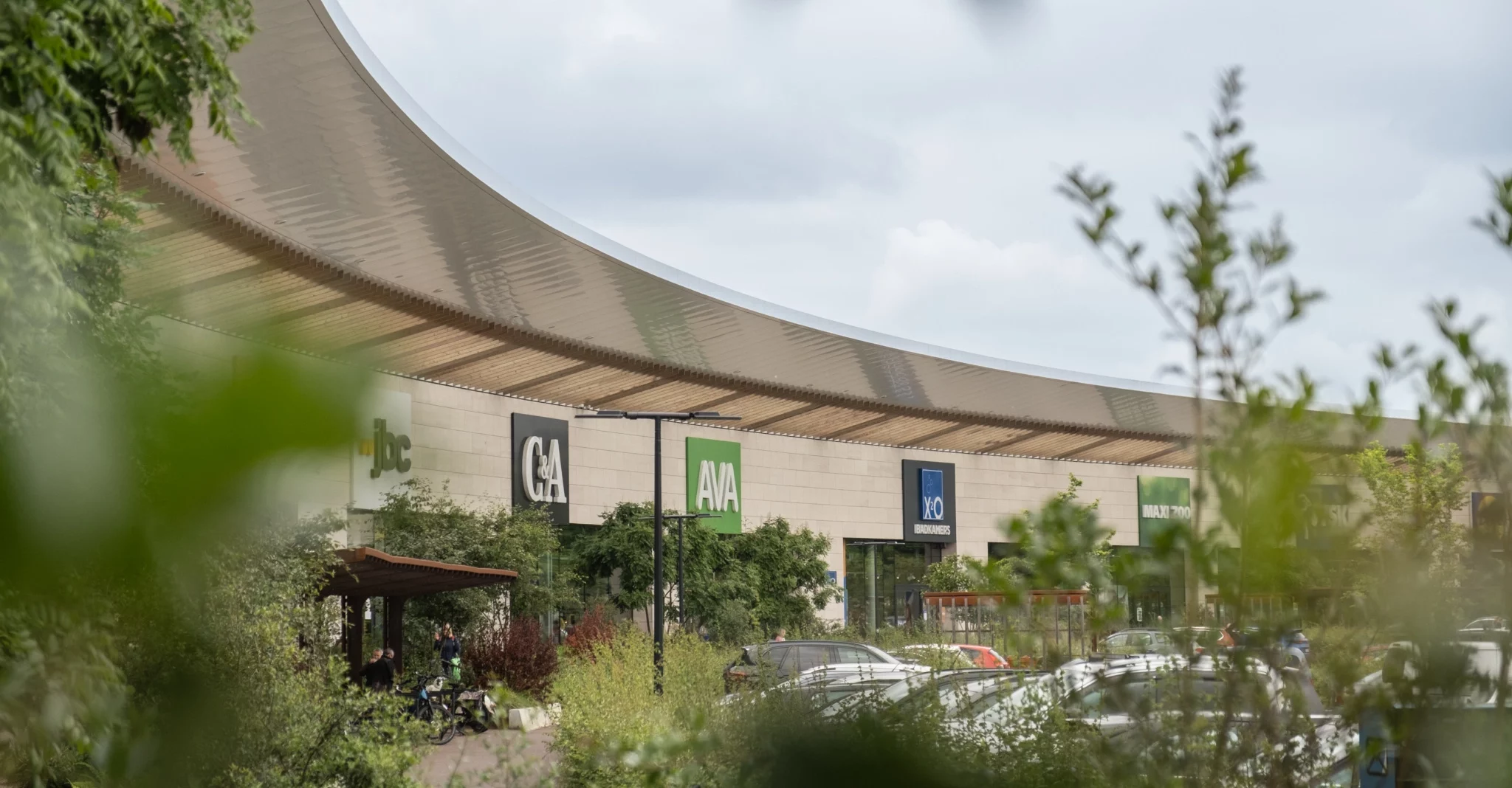
Retailers in Belgium are expanding again. Developers are launching new projects. Yet deals are harder to close than ever. The reason is polarisation. Demand is concentrating on the best streets, the best-structured retail parks and the properties that fit how retailers now decide. Everything in between, the “good enough”, is losing ground.
Why “good enough” no longer gets signed
Retailers now decide differently. They are more active than a few years ago, and much more critical. A location that ticks most boxes no longer gets signed. Every box has to be ticked.
One strong point, such as location or visibility, no longer carries the decision. Retailers run a full analysis. Every expansion now passes more desks, and every desk asks for data. Processes take longer, and the number of real options shrinks.
Retail expansion has evolved from opportunistic to strategic. That shift is what splits the market.
On the high street, the top pulls away
Brussels, Antwerp and Ghent remain Belgium’s main retail markets. Bruges is rapidly joining them. Demand for prime locations stays high while supply is limited, and that keeps prime high streets tight. Secondary cities and streets are falling behind.
Retailers are forced to choose. Either they wait for the right location, or they adapt their strategy. Neither choice favours the secondary street.
In retail parks, coherence decides
The out-of-town segment is growing again. New retail parks are being developed, and large sites such as former Makro and Metro locations are being repurposed. Not every one will lease.
Retailers don’t sign because space is available. They sign because the park makes sense: a strong anchor that generates traffic, a complementary mix of retailers, a clear position in the market. Projects without that coherence struggle to attract tenants.
Location alone no longer fills a park. Content and structure do.
For individual properties, the problem is rarely demand
In many cases, the issue is not demand, but the property itself. Outdated infrastructure. Inefficient layouts. A poor fit with what retailers need today.
That does not mean the potential is gone. Merge units. Redesign the layout. Fix the technical condition. That work decides whether a unit stays empty or gets signed.
Value creation increasingly happens before leasing takes place.
What owners should do before going to market
For owners in the middle, the work starts before the first viewing.
- Test your property the way a retailer will. Visibility and frontage width. Layout and technical condition. Competition and positioning in the area. Catchment area and accessibility. Every weak point is a reason to say no.
- Check the structure, not just the space. In a retail park: does the anchor generate traffic, does the mix complement, is the positioning clear?
- Reposition first, market second. Fix what a retailer will flag before a retailer sees it.
The old question was: “Can this property be leased?” The question now is: “Is this property correctly positioned to perform in the current market?”
A strong location no longer carries a weak property.